Common mistakes booking wedding flowers in Kingston
Posted on 25/09/2026
Booking wedding flowers sounds straightforward until you start comparing bouquets, buttonholes, centrepieces, and delivery timings for the actual day. That is usually when the small details begin to snowball. If you are trying to avoid the common mistakes booking wedding flowers in Kingston can bring, you are in the right place. This guide walks through what tends to go wrong, why it matters, and how to make calmer, better decisions without turning the whole thing into a floral stress marathon.
Kingston weddings have their own rhythm. Venues can be busy, travel across southwest London can be tighter than you expect, and flower choices need to hold up in real conditions, not just on a mood board. The good news? Most mistakes are avoidable once you know what to look for. Let's go through the practical side properly.
- Why these mistakes matter
- How wedding flower booking works
- Benefits of planning flowers well
- Who this guide is for
- Step-by-step booking guidance
- Expert tips for better results
- Common mistakes to avoid
- Tools, resources and recommendations
- Law, compliance, standards, and best practice
- Options and comparison table
- Real-world example
- Practical checklist
- Conclusion
- Frequently asked questions
Why Common mistakes booking wedding flowers in Kingston Matters
Flowers are not just decoration. They shape the tone of the ceremony, show up in your photos, and quietly hold the whole style together. When wedding flowers are booked badly, the issue is rarely just the flowers. It is the knock-on effect: colour clashes, late delivery, awkward substitutions, missing buttonholes, and extra costs that appear at the worst possible moment. Not ideal, obviously.
In Kingston, there is also the local reality to consider. Wedding venues range from elegant town spaces to riverside settings and nearby churches, and each one can have different access rules, set-up windows, and space constraints. A bouquet that looks perfect in a shop can feel oversized in a smaller ceremony room or get lost in a bigger reception space. That is why the planning stage matters so much.
To be fair, most couples are not floral experts. You should not have to be. But booking flowers without a clear plan can lead to decisions based on pictures alone, rather than scale, seasonality, practicality, and budget. This is where people often overspend on the wrong things or under-order the items guests actually notice.
Expert takeaway: The biggest flower booking mistakes are usually not about style. They are about timing, clarity, and not asking enough practical questions early enough.
How Common mistakes booking wedding flowers in Kingston Works
Wedding flower booking usually follows a simple process, even if the emotion around it can make it feel more complicated. First, you decide the general look: classic, modern, romantic, rustic, garden-inspired, or something more minimal. Then you choose the key pieces: bridal bouquet, bridesmaid bouquets, buttonholes, ceremony flowers, table arrangements, and any extras such as corsages or aisle petals.
From there, you should confirm three things: what is included, when it will be delivered, and how the flowers will be styled on the day. That sounds obvious, but the mistakes often begin when one of those points is left vague. For example, "a wedding package" can mean very different things depending on the florist. Does it include setup at the venue? Is there a bridal consultation? Are containers supplied? Are the flowers seasonal or fully bespoke?
In Kingston, local delivery timing matters too. A florist may need to work around traffic, parking, venue access, and the fact that weddings often overlap with other weekend deliveries. Good planning gives the flowers enough breathing room. Bad planning leaves everything hanging on a narrow delivery slot. And yes, that can get tense very quickly.
If you are comparing options, a specialist wedding offering like wedding flowers can be more helpful than a generic bouquet page because it reflects the scale and structure a wedding actually needs.
Key Benefits and Practical Advantages
Getting the booking right saves more than money. It saves attention, energy, and those last-minute "hang on, what did we agree?" moments that nobody wants the week of the wedding.
Here are the practical upsides of doing it properly:
- Better visual consistency: your flowers match the dress, suits, venue, and photos more naturally.
- Less day-of stress: clear delivery and setup instructions reduce the chance of panic.
- Smarter spending: you allocate budget to the flowers that will matter most.
- More reliable availability: if you book early, seasonal blooms are easier to secure.
- Cleaner communication: everyone knows the plan, which matters more than people think.
Another advantage that gets overlooked is flexibility. When you plan early, a florist can suggest alternative stems, colour pairings, or arrangements that fit your theme without compromising the feel. That kind of guidance is especially useful if you are aiming for a specific look but do not want to pay for every single bespoke detail.
If you are trying to keep costs under control, browsing options such as budget-friendly flowers can help you understand where value sits without assuming cheaper automatically means weaker. Sometimes it simply means simpler, and that can be lovely.
Who This Is For and When It Makes Sense
This guide is for anyone planning a wedding in or around Kingston and wondering how to avoid flower booking regrets. That includes couples planning a large formal reception, a smaller registry-style celebration, a church wedding, or something more relaxed and personal.
It also helps if you are in one of these situations:
- You have a clear colour palette but no final flower list.
- You are working with a fixed budget and need to prioritise.
- You are getting married in a venue with tight access or short setup time.
- You want flowers that look seasonal rather than overly stiff or artificial.
- You are not sure how many arrangements you actually need.
It is also useful for family members helping to organise the day. In real life, wedding flower decisions often get shared between a couple, a parent, and maybe one very opinionated friend who has strong feelings about peonies. That is fine, but the final decision still needs one clear point of contact.
If you are in the early stages and still working out the visual direction, a general florist page like local Kingston florist services can help you understand the broader service before you get into the detail.
Step-by-Step Guidance
Here is the most sensible way to book wedding flowers without getting caught out later.
- Define your wedding style. Start with the feel of the day, not the flower names. Elegant, romantic, wild, classic, or modern? That decision drives everything else.
- Set a realistic budget range. Know your ceiling before you fall in love with luxury arrangements that do not suit the rest of the plan.
- List the must-have items. Bride's bouquet, bridesmaids, buttonholes, ceremony flowers, table centres, cake flowers, and anything else that genuinely matters.
- Check your venue requirements. Ask about access, delivery windows, and whether the florist can set up on site.
- Choose flowers with the season in mind. Seasonal blooms usually give better value and are easier to source reliably.
- Confirm the exact quantities. It sounds simple, but "a few arrangements" is not a usable brief.
- Agree on substitutions in advance. If a stem is unavailable, what can be swapped without changing the whole look?
- Put everything in writing. The order details, timings, delivery address, style notes, and any agreed extras should all be clear.
- Plan the handover. Decide who receives the flowers, where they go, and who handles buttonholes or table pieces.
That last step is the one couples forget most often. On the day, nobody wants to be hunting around for a vase or checking where the bridesmaid bouquets have gone. A simple handover plan solves a lot.
For delivery-heavy plans, it can also help to understand local logistics and timing through a page like delivery information, especially if you are coordinating several moving parts on the same morning.
Expert Tips for Better Results
After you have planned a fair few weddings, a pattern emerges. The couples who are happiest tend to be the ones who are clear, flexible, and slightly less obsessed with naming every stem. That sounds a bit blunt, but it is true.
1. Think in terms of impact, not just flower count
A handful of well-placed arrangements can do more visually than lots of small pieces scattered everywhere. If your venue already has strong character, you may not need to over-decorate. Let the space breathe a little.
2. Use one or two focal colours
Too many colours can make the overall look feel noisy. Kingston weddings often work beautifully with soft whites, blush tones, greens, and one accent shade. If you want something richer, deep reds or purples can be stunning, but they need careful balancing.
3. Ask what flowers travel well
Some blooms are more delicate than others. If the flowers are moving from a preparation space to a venue and then sitting through photographs, they need to hold up. Florists usually know which stems are robust. Ask directly. It saves disappointment later.
4. Plan for the weather, even if it feels unnecessary
A warm afternoon in June can change how flowers behave. So can a cold morning, or a ceremony room that gets a lot of direct light. It is not dramatic; it is just reality. A good florist will think about conditioning, hydration, and timing.
5. Be careful with Pinterest-style expectations
Those pictures are often shot with ideal lighting, hidden mechanics, and no practical delivery notes visible in sight. Lovely for inspiration. Not always lovely for your budget.
If you want a smoother result, a prepared wedding-specific option like a curated wedding collection can be a helpful shortcut, because the pieces are already designed to work together.
Common Mistakes to Avoid
This is the heart of it. The list below covers the mistakes that most often cause avoidable problems when booking wedding flowers in Kingston.
Booking too late
Leaving flowers to the last minute narrows your choices, especially if your wedding falls in peak season. Better florists and popular dates get booked early. You may still find someone available, but the best options disappear first.
Only talking about bouquet ideas
The bridal bouquet gets all the attention, understandably. But the rest of the flowers set the atmosphere. Buttonholes, table flowers, and ceremony pieces matter too. If you focus only on one arrangement, the overall style can feel incomplete.
Not checking venue logistics
Some venues have narrow access, staircases, limited parking, or tight turnover between events. If your florist does not know that upfront, the delivery plan can become awkward very quickly. Sometimes it is the tiny logistical detail that causes the bigger headache.
Choosing flowers without considering seasonality
Out-of-season flowers can be more expensive or harder to source consistently. That does not mean you cannot use them, but it does mean you should understand the trade-off.
Not agreeing on substitutions
Fresh flowers are natural products. Occasionally, a particular stem or shade will not be available. If substitutions are not discussed in advance, small changes can feel like a bigger issue than they need to be.
Underestimating the cost of extras
Delivery, installation, vases, arch arrangements, repurposing flowers from ceremony to reception, and extra buttonholes can all add to the total. It is easy for a quote to look fine at first glance and then stretch once all the details are added.
Ignoring the weather and timing
Flowers do not appreciate being left in a hot car or delivered too early without a place to keep them fresh. A summer wedding at 2 p.m. needs different handling from a winter ceremony at 11 a.m.
Using vague inspiration instead of a clear brief
"Classic but modern" is not enough on its own. A good florist can work with ideas, but they need practical detail too: colours, budget, venue, dress style, and the scale of the event.
Forgetting who is responsible on the day
If no one is assigned to receive the flowers, hand out buttonholes, or place the arrangements, then guess what happens. Someone ends up doing it in a rush. Usually the wrong someone.
Prioritising novelty over cohesion
A dramatic centrepiece can look lovely, but if it clashes with the rest of the day, it does not serve the overall experience. Cohesion beats one-off drama almost every time.
Tools, Resources and Recommendations
You do not need a complicated toolkit to plan wedding flowers well. What you do need is a structured way to think.
- Mood board: use it to capture colour, shape, and style, not just pretty flowers.
- Budget sheet: track your must-haves, nice-to-haves, and items you can drop if needed.
- Venue notes: keep access times, contact names, and setup instructions in one place.
- Guest list snapshot: useful when deciding how many buttonholes, corsages, or table arrangements are needed.
- Order summary: a simple written record avoids "I thought we agreed..." moments later on.
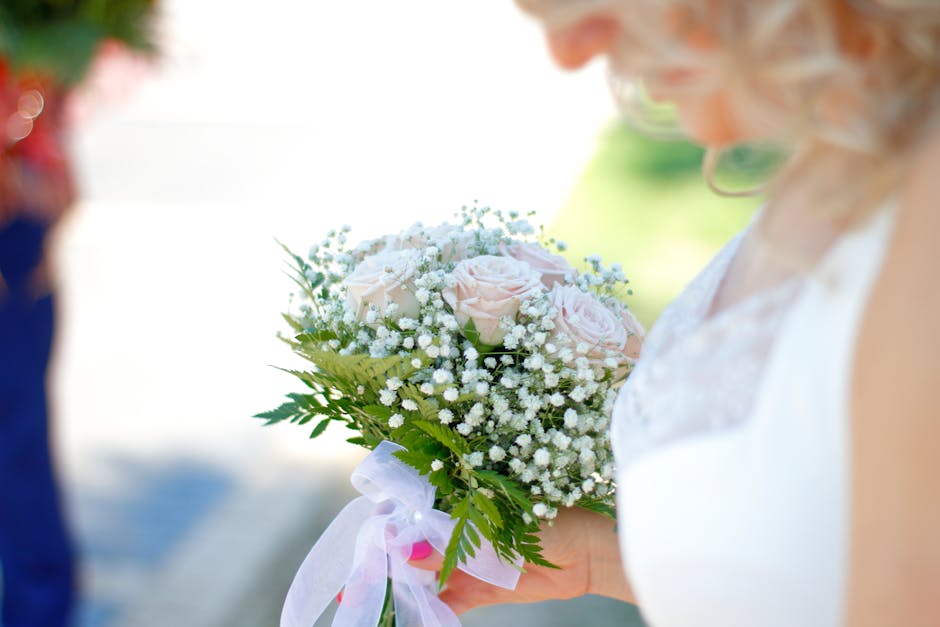
It also helps to look at examples of specific flower types and styles before choosing the final mix. For instance, if you are drawn to soft wedding arrangements, a page such as bridal bouquets can give you a better sense of structure and scale than a broad search image ever will.
If you prefer flowers that suit buttonholes, bridesmaids, and mixed arrangements in one style family, browsing a matching product line like wedding buttonholes or bridesmaid bouquets can make the planning feel less piecemeal.
Law, Compliance, Standards, or Best Practice
For wedding flowers, the main compliance issues are usually practical rather than legal. That said, there are still a few standards and best practices worth respecting.
First, any contract or written order should be clear about what is being supplied, when it is delivered, what happens if there is a substitution, and whether setup is included. That is just good practice. It protects both sides and reduces confusion.
Second, if flowers are going to a venue, church, or licensed event space, the florist should follow the venue's access and delivery rules. Some spaces are stricter than others. If the venue says no early drop-offs or no vehicle access at certain times, that needs to be respected.
Third, if you are using any floral foam, wire, ribbons, or packaging, a responsible florist should think about waste and disposal as part of the setup. Sustainability matters to a lot of couples now, and fairly so. It does not need to be preachy. Just sensible.
Finally, make sure any allergy concerns are raised early. While flowers are generally harmless in normal decorative use, some guests may be sensitive to pollen or strong scents. A florist can often suggest softer options or smarter placement if you raise this before the order is final.
Some couples also want to ask about care, transport, and freshness guidance. A trusted page such as flower care advice can be useful after the event too, especially if you are repurposing arrangements or taking the bouquet home.
Options, Methods, or Comparison Table
Different booking approaches suit different weddings. There is no single "best" method, but there is usually a better fit for your budget and scale.
| Booking approach | Best for | Pros | Watch out for |
|---|---|---|---|
| Fully bespoke design | Couples wanting a unique look | Highly tailored, strong visual impact, more creative flexibility | Can cost more, needs clearer communication, takes longer to finalise |
| Curated collection | Couples who want a polished style without starting from scratch | Easier to choose, cohesive, often quicker to plan | Less room for custom changes |
| Budget-led package | Smaller weddings or couples watching spend | Cost-conscious, simple, practical | May be less flexible on flower choice or quantities |
| Mixed approach | Couples splitting spend across key items | Good balance of impact and value | Needs careful planning to avoid a mismatched finish |
For many Kingston weddings, a mixed approach is the sweet spot. You invest in the bridal bouquet and ceremony focal points, then keep the table flowers simpler. That way the pictures have impact, but the budget does not quietly vanish.
Case Study or Real-World Example
Here is a realistic example based on the kind of planning issue couples often run into.
A couple planning a summer wedding near Kingston wanted a romantic white-and-blush look. They started with the bouquet, then added table arrangements, then buttonholes, then a few "nice extras" once they saw the first quote. Nothing unusual there. The trouble was that they had not checked venue access, and the reception room only allowed a narrow delivery window before set-up began.
At first, the florist's design worked beautifully on paper. But once delivery timing came into the conversation, it became clear the centrepieces needed to be simpler and easier to place. The florist suggested repurposing some ceremony flowers into the reception space, reducing the number of separate items and keeping the look unified. The couple were relieved, because they still got the style they wanted without paying for decoration that would barely be noticed.
That is the practical lesson: sometimes the best flower plan is not the most elaborate one. It is the one that fits the venue, the timeline, and the people actually doing the carrying. Simple enough, really.
If you are in the same stage of planning, a collection like wedding table arrangements can help you picture how the reception side of the day might flow before you lock in the final list.
Practical Checklist
Use this before you confirm your order. A quick check now saves a lot of fuss later.
- Have you chosen the overall wedding style and colour direction?
- Do you know your flower budget ceiling?
- Have you listed all essential items, not just the bouquet?
- Do you know the venue's delivery and access rules?
- Have you confirmed whether setup is included?
- Are seasonal alternatives acceptable if a bloom is unavailable?
- Have you discussed the size and scale of each arrangement?
- Do you know who receives the flowers on the day?
- Have you agreed what happens if timings shift slightly?
- Is everything written down clearly in one place?
If you can tick all of those, you are already ahead of most people. Honestly, that alone takes a lot of pressure off.
Conclusion
Booking wedding flowers in Kingston does not need to be complicated, but it does need to be organised. The common mistakes booking wedding flowers in Kingston usually come down to poor timing, vague communication, weak budgeting, and not thinking through the practical side of the day. Once you understand those traps, the process becomes much calmer.
Focus on the flowers that matter most, plan around the venue, stay realistic about your budget, and make sure the florist has enough detail to help properly. That is the difference between pretty flowers that cause a headache and flowers that quietly make the whole day feel complete.
Get a free quote today and see how much you can save.
And if you are still somewhere between inspiration and decision, that is perfectly fine. A good wedding flower plan usually starts with a few clear choices, then settles into something lovely and personal. No need to rush the magic.
Frequently Asked Questions
How far in advance should I book wedding flowers in Kingston?
As early as you comfortably can, especially if your wedding is in peak season. Booking early gives you more choice, more time to refine the brief, and less pressure if you need to adjust the design later.
What are the most common mistakes couples make with wedding flowers?
The biggest mistakes are leaving it too late, not setting a proper budget, overlooking venue logistics, and only focusing on the bouquet while forgetting the rest of the event styling.
Should I choose seasonal flowers for my wedding?
Usually, yes. Seasonal flowers are often easier to source, can give better value, and tend to look naturally in step with the time of year. They also reduce the risk of awkward substitutions.
How do I know how many flowers I actually need?
Start with the core items: bridal bouquet, bridesmaid bouquets, buttonholes, ceremony arrangements, and table flowers. Then work backwards from the size of the venue and the number of guests. A florist can help you strip away anything unnecessary.
Can I use the same flowers for the ceremony and reception?
Yes, often you can. Repurposing flowers is a smart way to stretch the budget. It just needs proper planning so the arrangements can be moved safely and still look fresh later in the day.
What should I ask a florist before I book?
Ask what is included, whether setup is part of the service, how substitutions are handled, what the delivery timing looks like, and whether the arrangements are seasonal or fully bespoke. Those questions save confusion.
Are cheaper wedding flowers a bad idea?
Not at all. Cheaper does not automatically mean poor quality. It often means simpler designs, fewer stems, or a more practical product choice. The key is making sure the flowers still suit the tone of the day.
What if my venue has strict access times?
Tell the florist as early as possible. Tight access windows can affect everything from delivery to setup. In some cases, simpler arrangements are the safest and most efficient solution.
Can the florist match my wedding colour scheme exactly?
Usually they can get very close, but flowers are natural products, so exact colour matching is not always realistic. It is better to aim for a coordinated palette rather than expecting a precise paint-swatch match.
Do I need wedding flowers for both the ceremony and the reception?
Not necessarily. It depends on the size and style of your wedding. Some couples focus on a few statement pieces, while others want a fuller floral look throughout the day. Budget and venue shape that decision.
How can I avoid last-minute flower problems?
Confirm all details in writing, keep one person responsible for the day-of handover, and agree what happens if a bloom is unavailable. Small planning steps make a big difference once the wedding day arrives.
Is it okay to ask for a revised quote?
Absolutely. In fact, it is sensible. If the first version is more than you wanted to spend, ask what can be simplified without losing the look. Good florists expect that conversation and usually welcome it.